

Project Description
How do we design for collectivity, as a counterweight to the hyper-individualism that dominates current digital design practice? And how do we integrate this into design education?
These questions emerged from Charging the Commons (2022–2024), where research into urban commons revealed that conviviality — the capacity of tools to strengthen community bonds and collective autonomy — is just as important as utility in the design of sharing platforms. Yet existing design methods overwhelmingly prioritise the individual user, leaving designers without practical tools for designing with and for collectivity.
Designing for Collectivity set out to explore these questions in practice, through workshops, conversations and collaboration with design educators and students. Rather than developing a fixed design method, the project takes a more open and exploratory form — using conversation and collective reflection as its primary research approach.
The project brought together three different contexts for exploration:
INCMD Day — Workshop
A workshop was held at the national 2025 INCMD Day, bringing together CMD educators from across the Netherlands to discuss what designing for collectivity means in design education. Participants explored the tension between user-centred design traditions and collective-focused approaches, and what this demands of both curriculum and pedagogy.
Society 5.0 — Workshop with Commons Network
In collaboration with the Commons Network, a workshop was held at the Society 5.0 conference exploring the intersection of commons thinking and digital design. Participants from different professional backgrounds examined how conviviality and collective values can be integrated into design practice.
Reading and Conversation Club — Three Sessions with Design Educators
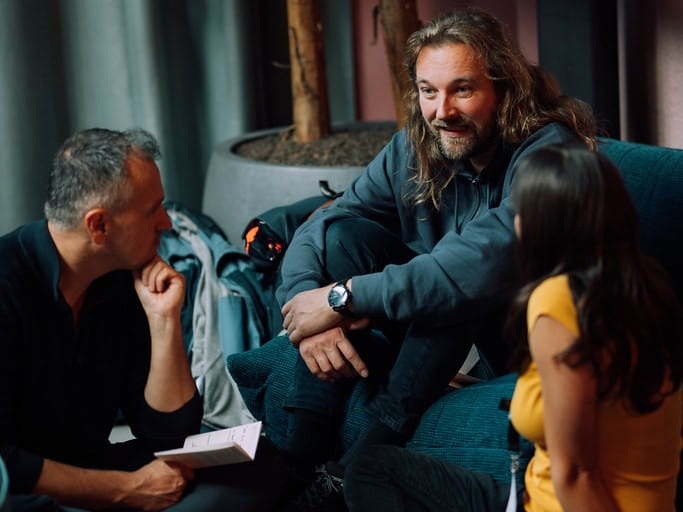
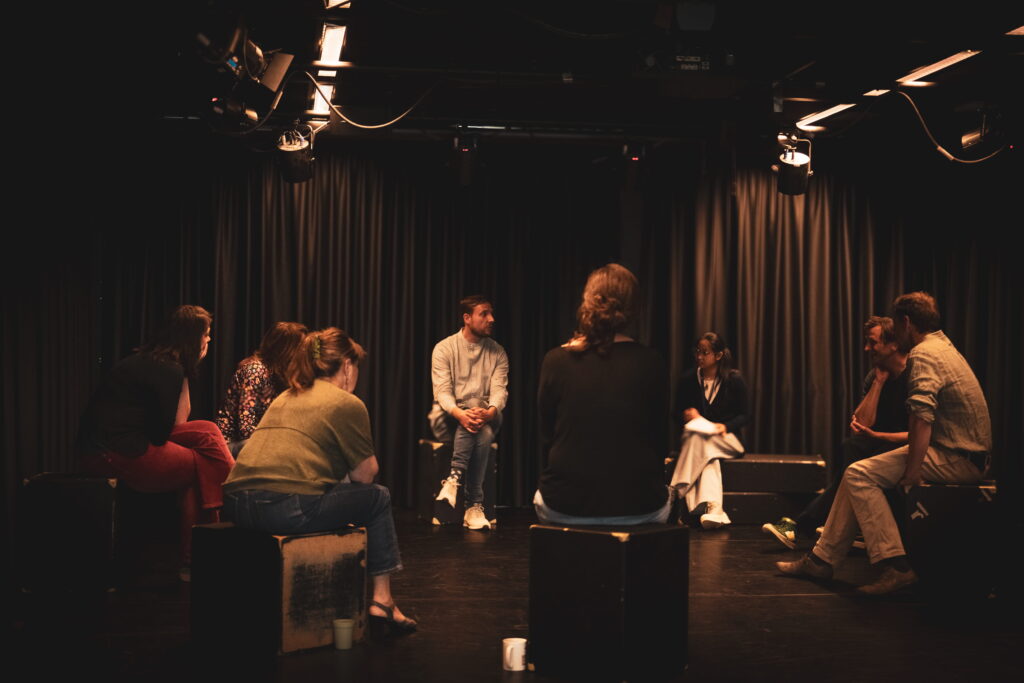
The most extensive initiative is a reading and conversation club specifically for design educators, held over three sessions. Each session combines a curated selection of readings from Don Norman (Design for a Better World), David Bollier (Think Like a Commoner), Ivan Illich (Tools for Conviviality) and Victor Papanek (Design for the Real World) with a different conversation method developed by Building Conversations:
- ⁕ Session 1 — Impossible Conversation: Reflecting on personal experiences of community, collectivity and the underlying economic logics of design.
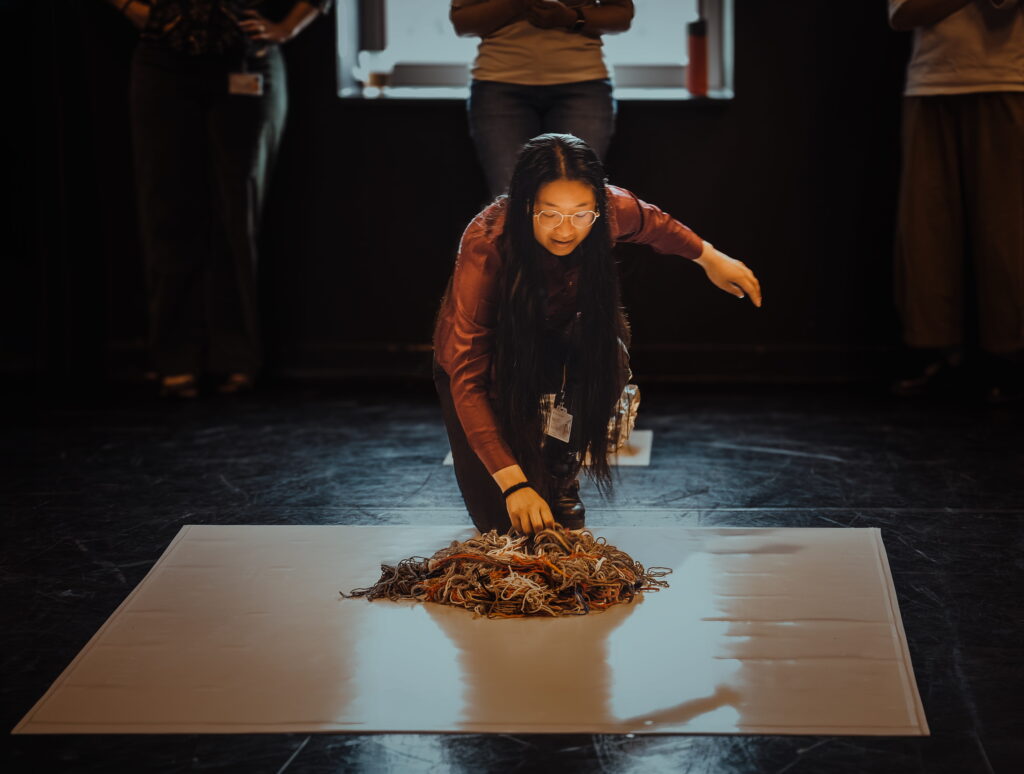
- ⁕ Session 2 — Het Vlak: Analysing design cases — including the Fairphone and Discord — through the lens of conviviality, using a spatial dialogue method inspired by Bruno Latour.
- ⁕ Session 3 — Thinking Together: An Experiment: Exploring what designing for collective action could mean for design education, using David Bohm’s dialogic approach.
Additionally, master’s students in Digital Design contributed research into design methods for collectivity, building on the initial framework developed during Charging the Commons.